Nature · Poole Harbour
Wildlife & Birdwatching in Sandbanks
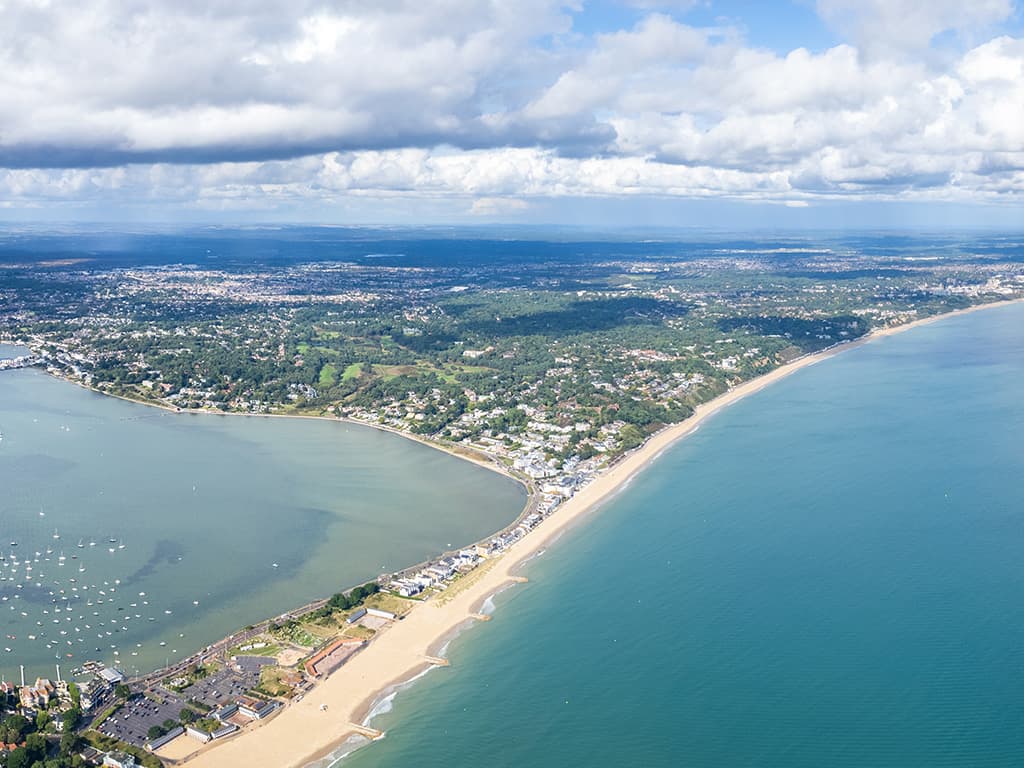
Between Poole Bay and Poole Harbour, Sandbanks combines tidal flats, open water, dunes, scrub and sheltered woodland.
Whitley Lake can hold wintering waders and diving birds, while nearby Luscombe Valley adds kingfishers, reptiles and migrant woodland birds to the mix. Sightings are seasonal and never guaranteed.
Sandbanks Peninsula Editorial
At a glance
Quick reference for wildlife watching from Sandbanks. Species move with tide, season and weather — treat every list as possibilities, not promises.
- Best for winter birds
- Whitley Lake
- Woodland nature reserve
- Luscombe Valley
- Harbour watching
- North Haven
- Marine wildlife
- Shore Road / Poole Harbour
- Best season
- Winter for harbour birds
- Tide
- Low / rising tide can be productive at Whitley Lake
- Last checked
- September 2026
Poole Harbour
Why Sandbanks is good for wildlife
The peninsula sits between a vast, shallow harbour and an open sandy bay. That combination packs mudflats, saltmarsh edges, scrub woodland, dunes and seawall habitat into a small area — ideal for a morning of quiet watching without a long drive.
Poole Harbour is one of Britain’s most important estuarine wetlands for birds, with overlapping Special Protection Area (SPA), Ramsar wetland and Site of Special Scientific Interest (SSSI) designations recognising its international wildlife value.
Much of what you can see from public paths and viewpoints is visitor-friendly: no permit is needed simply to scan the harbour from Shore Road, though sensitive seasons and breeding birds still deserve distance and restraint.
Recording context: Birds of Poole Harbour (opens in a new tab), BCP Luscombe Valley (opens in a new tab).
Where to start
Four places to watch from Sandbanks
Each site suits different species and seasons. Combining two in one visit — harbour then woodland, or harbour then bay — often works well on foot.
Whitley Lake
Shallow harbour flats from Shore Road / Banks Road — winter waders and diving birds when tide and disturbance allow.
Read section →
Luscombe Valley
Compact BCP nature reserve — kingfishers, sand lizards and migrant woodland birds in scrub and wet edges.
Read section →
North Haven
Harbour entrance seawalls and groynes — different structure from the wider flats; terns in summer, waders in colder months.
Read section →
Sandbanks Beach & Poole Bay
Open coast gulls, occasional seabird movement and dune-edge birds — often quieter for harbour specialities.
Read section →
Harbour flats
Whitley Lake & Shore Road
Birds of Poole Harbour describes Whitley Lake, best viewed from Shore Road / Banks Road, as a large and extremely shallow part of Poole Harbour. On a low tide, expansive sandy intertidal feeding habitat is exposed; on a high tide the same area can be busy with watersports.
Low tide exposes feeding ground for waders. As the tide rises, birds may move closer to remaining shoreline. There is no single “best” tide for every visit — conditions change with season and disturbance.
Check tide height and time before you go — our Sandbanks tide times page uses local predictions; conditions on the ground still vary with wind and boat traffic.
Species & tides
Waders often associated with the flats
Recorded or associated locally — not a daily guarantee.
- Bar-tailed godwit
- Sanderling
- Oystercatcher
- Curlew
- Turnstone
- Greenshank
Winter waterbirds on open water
Recorded or associated locally — not a daily guarantee.
- Red-breasted merganser
- Goldeneye
- Great crested grebe
- Common scoter
- Black-throated diver
- Great northern diver
Gulls and terns
Recorded or associated locally — not a daily guarantee.
- Mediterranean gull
- Common gull
- Black-headed gull
- Sandwich tern
- Common tern
On the shore
Nature reserve
Luscombe Valley Nature Reserve
Luscombe Valley Nature Reserve (More than 1.5 hectares of woodland) sits at the northern edge of Whitley Lake on Shore Road, Poole, BH14 8NE. BCP highlights kingfishers and sand lizards among species to look out for — both remain elusive without quiet, patient watching.
Birds of Poole Harbour describes Luscombe as relatively under-watched mixed scrub and birch woodland. Species noted over the years include Dartford warbler, whitethroat, garden warbler, willow warbler, firecrest, stonechat and wheatear — recorded or possible, never guaranteed.
Seasonal dog rule
1 March–31 July
Dogs in Luscombe Valley
BCP states dogs must be on a short lead when livestock is nearby and during the bird breeding season from 1 March to 31 July. At other times dogs must remain under close control.
Short lead required during that breeding window and when livestock is present.
- Location
- Shore Road, Poole, BH14 8NE
- Entrances
- Gate from Shore Road; also access from Brudenell Avenue. A few minutes’ walk from Evening Hill Viewpoint; borders Parkstone Golf Course.
- Parking
- Limited parking on surrounding roads, including Brudenell Avenue. Confirm current on-street rules locally.
- Habitats
- Open gorse grassland; Reeds; Streams and ditches; Seasonal ponds near Poole Harbour; Wet woodland
- Wildlife
- Kingfishers and Sand lizards; mixed scrub and birch woodland passerines (recorded, not guaranteed).
- Dogs
- BCP states dogs must be on a short lead when livestock is nearby and during the bird breeding season from 1 March to 31 July. At other times dogs must remain under close control.
Harbour entrance
North Haven
North Haven lies on the northern side of Poole Harbour’s narrow entrance at Sandbanks. Birds of Poole Harbour identifies it as a distinct watching location with seawall, slipway and groyne habitat that differs from the wider harbour flats.
Purple sandpiper can be associated with exposed concrete / sea-wall shelves at low water in autumn and winter — a specialised habitat rather than a guaranteed sighting.
Brownsea Island — one of the harbour's richest nature destinations — lies across the water. In 2026 the normal public passenger ferry to Brownsea departs from Poole Quay, not Sandbanks. For current Brownsea Island passenger ferry information in 2026, use our Brownsea Island ferry guide — the normal public Sandbanks passenger service is currently suspended. Brownsea Island ferry from Sandbanks (travel via Poole).
Autumn and winter
Recorded or associated locally — not a daily guarantee.
- Purple sandpiper
- Ringed plover
- Dunlin
- Sanderling
- Great northern diver
- Red-breasted merganser
- Great crested grebe
Summer movements
Recorded or associated locally — not a daily guarantee.
- Common tern
- Sandwich tern
Poole Bay
Sandbanks Beach & Poole Bay
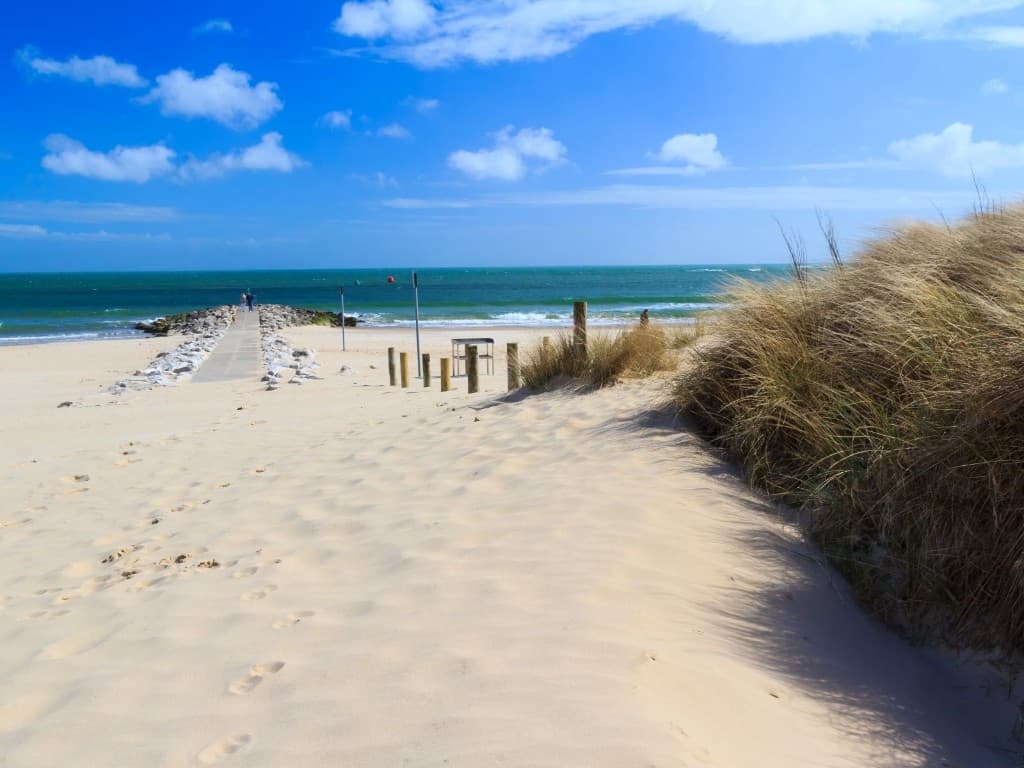
The seaward side is open sandy coast — useful for gulls, occasional seabird passage and dune-edge species, but generally less productive for harbour waders than Whitley Lake or North Haven.
Summer beach use and watersports can disturb roosting or feeding birds at the water's edge. Early morning or quieter weekdays often feel more rewarding than peak sunbathing hours.
For beach access and facilities, see our beaches guide.
Calendar
Birds by season
A harbour-wide snapshot from recording sources — presence on any given day depends on weather, tide and disturbance.
Spring
Recorded or associated locally — not a daily guarantee.
- Oystercatcher
- Sanderling
- Bar-tailed godwit
- Curlew
- Mediterranean gull
- Sandwich tern
- Common tern
- Wheatear
- Migrant passerines around Luscombe
Summer
Recorded or associated locally — not a daily guarantee.
- Common tern
- Sandwich tern
- Resident and coastal species
Autumn
Recorded or associated locally — not a daily guarantee.
- Brent goose arrivals
- Bar-tailed godwit
- Greenshank
- Stonechat
- Wheatear
- Migrant passerines through Luscombe
Winter
Recorded or associated locally — not a daily guarantee.
- Brent goose
- Common scoter
- Goldeneye
- Red-breasted merganser
- Divers
- Great crested grebe
- Oystercatcher
- Sanderling
- Bar-tailed godwit
- Curlew
- Turnstone
Shore Road
Marine life around Sandbanks
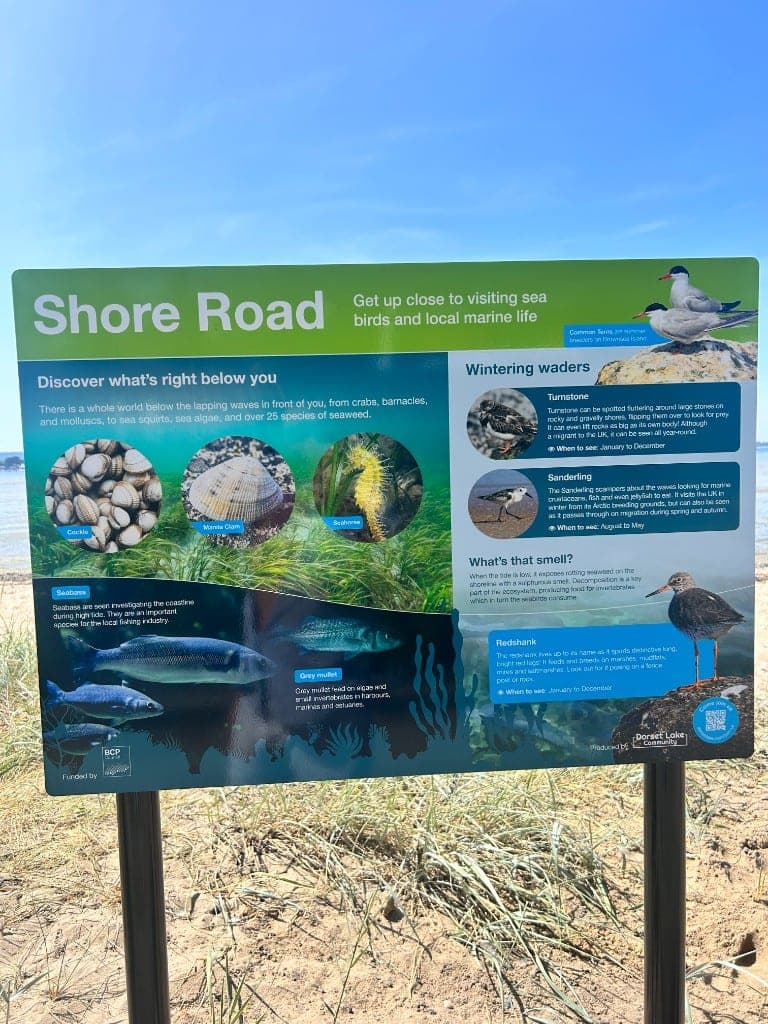
Local interpretation along Shore Road names species linked to the harbour edge — from shellfish to fish and shorebirds. The board list is educational, not a promise of what you will see on a single walk.
Seahorses are highlighted on local Shore Road interpretation and are protected species. Sightings are uncommon and never guaranteed — observe without handling and do not disturb sensitive habitat.
Observing wildlife is not the same as gathering it. Fishing, bait digging and shellfish collection are regulated — see our Fishing & Shellfish in Sandbanks guide for Southern IFCA rules, closed areas and size limits before you take anything from the shore.
- Cockle
- Manila clam
- Seahorse
- Seabass
- Grey mullet
- Common tern
- Turnstone
- Sanderling
- Redshank
Responsible watching
- Keep distance from roosting flocks — a single flush can waste feeding time for tired winter birds.
- Stay on paths in reserves such as Luscombe; never handle reptiles or nest sites.
- Use binoculars rather than approaching birds on the tide line, especially on busy Shore Road viewpoints.
- During breeding season (1 March–31 July), keep dogs on short leads where rules require it.
- Share records ethically with local groups such as Birds of BARI (opens in a new tab) if you contribute sightings — never publish precise sensitive locations for rare breeders.
Plan around the tide
Low tide exposes feeding ground for waders. As the tide rises, birds may move closer to remaining shoreline. There is no single “best” tide for every visit — conditions change with season and disturbance. For Whitley Lake and North Haven, pairing your visit with local tide times usually beats guessing from the car park.
Questions
Wildlife & birdwatching FAQs
Open a question for detail. Answers stay in the page markup and structured data.
FAQSandbanks wildlife
FAQWhitley Lake
FAQLuscombe Valley
FAQBirdwatching & marine life
Trust note
Species are seasonal and sightings are never guaranteed. Information was checked in September 2026 against local conservation and bird-recording sources.